
Table of Contents
The future of transportation is undergoing a transformative shift with the rise of electric and autonomous vehicles. These innovations promise to revolutionize how we travel, offering solutions to some of the most pressing issues in transportation, such as environmental sustainability, safety, and efficiency. This article explores the current advancements in electric and autonomous vehicles and their potential impact on the future of transportation.
The Rise of Electric Vehicles (EVs)
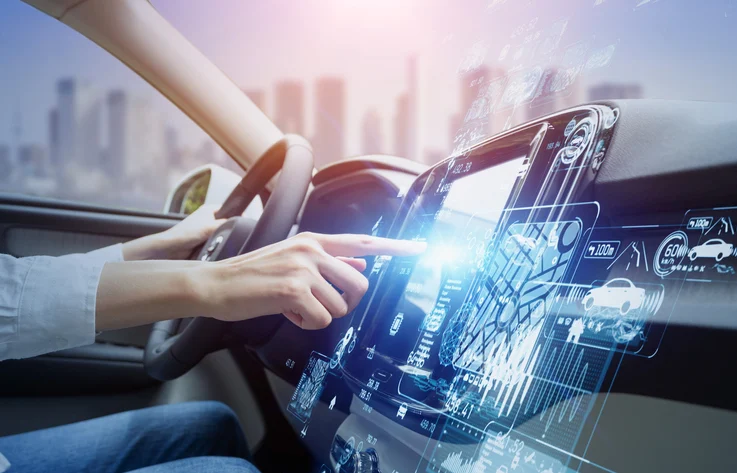
Electric vehicles have become a major focus in the quest for sustainable transportation. Unlike traditional gasoline-powered cars, EVs run on electricity stored in batteries, producing zero tailpipe emissions. This shift is driven by the need to reduce greenhouse gas emissions and combat climate change.
Advancements in Battery Technology
One of the key factors driving the adoption of EVs is advancements in battery technology. Modern batteries are more efficient, with longer ranges and shorter charging times. Companies are investing heavily in research to develop next-generation batteries, such as solid-state batteries, which promise even greater energy density and safety. These improvements address one of the major concerns with EVs: range anxiety, the fear of running out of battery power before reaching a charging station.
Expansion of Charging Infrastructure
The growth of EVs is also supported by the expansion of charging infrastructure. Public and private entities are building extensive networks of fast-charging stations, making it easier for EV owners to charge their vehicles on the go. Innovations such as wireless charging and ultra-fast chargers are further enhancing the convenience of electric driving. As the charging infrastructure expands, it will become increasingly feasible for more people to transition to electric vehicles.
Environmental Impact and Energy Sources
The environmental benefits of EVs extend beyond reducing tailpipe emissions. When charged with renewable energy sources, such as wind or solar power, EVs contribute to a significant reduction in overall carbon emissions. However, the environmental impact of EVs also depends on the source of electricity used for charging. Efforts to increase the share of renewable energy in the grid are crucial to maximizing the environmental benefits of electric vehicles.
The Development of Autonomous Vehicles
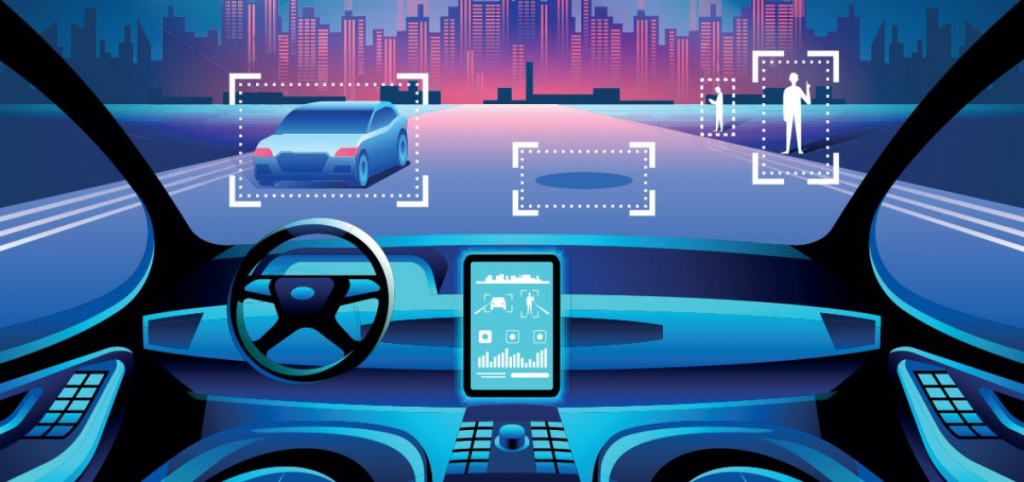
Autonomous vehicles, also known as self-driving cars, represent a major leap forward in transportation technology. These vehicles use a combination of sensors, cameras, and artificial intelligence (AI) to navigate roads and traffic without human intervention.
Technological Components
Autonomous vehicles rely on several key technologies to operate safely and effectively. These include advanced sensors such as LiDAR (Light Detection and Ranging), radar, and cameras that provide a 360-degree view of the vehicle’s surroundings. AI algorithms process the data collected by these sensors to make real-time driving decisions. Machine learning techniques enable autonomous vehicles to improve their performance over time by learning from vast amounts of driving data.
Safety and Regulation
Safety is a primary concern for the development and deployment of autonomous vehicles. Extensive testing and validation are necessary to ensure that self-driving cars can handle a wide range of driving conditions and scenarios. Regulatory frameworks are also being developed to address legal and ethical issues related to autonomous driving, such as liability in the event of an accident and data privacy.
Impact on Transportation Systems
Autonomous vehicles have the potential to significantly impact transportation systems. They could reduce traffic congestion by optimizing driving patterns and improving traffic flow. Autonomous vehicles also offer the possibility of reducing accidents caused by human error, such as speeding or distracted driving. Additionally, self-driving cars could improve accessibility for individuals who are unable to drive due to age or disability.
Integration with Public Transportation
The integration of autonomous vehicles with public transportation systems is an exciting possibility. Autonomous shuttles and ride-sharing services could complement existing public transit networks, providing first-mile and last-mile connectivity. This integration could enhance the efficiency and convenience of public transportation, making it a more attractive option for commuters.
Challenges and Considerations
Despite the promising advancements, there are several challenges and considerations related to electric and autonomous vehicles.
Infrastructure Development
For both EVs and autonomous vehicles, significant infrastructure development is required. Expanding the charging network for EVs and establishing reliable communication networks for autonomous vehicle systems are critical steps. Additionally, roadways and urban environments may need to be adapted to accommodate autonomous vehicles and ensure their safe operation.
Public Acceptance and Adaptation
Public acceptance of new transportation technologies is crucial for their widespread adoption. Addressing concerns about safety, privacy, and the reliability of autonomous vehicles will be essential. Education and awareness campaigns can help inform the public about the benefits and safety features of these technologies.
Economic and Employment Impacts
The rise of electric and autonomous vehicles will also have economic and employment implications. The automotive industry may experience shifts in job markets, with potential job losses in traditional manufacturing and maintenance roles and new opportunities in tech and infrastructure sectors. Policymakers will need to consider strategies to support workers affected by these changes.
Conclusion
The future of transportation is set to be shaped by innovations in electric and autonomous vehicles. These technologies offer exciting possibilities for reducing environmental impact, enhancing safety, and improving transportation efficiency. While there are challenges to address, the continued advancement and integration of EVs and autonomous vehicles hold the promise of a more sustainable, efficient, and accessible transportation future. As these technologies evolve, they will play a pivotal role in transforming how we travel and interact with our environment.