
Urbanization, the process of increasing the population in urban areas compared to rural ones, has become a defining trend of the 21st century. With more than half of the global population now living in cities, urbanization presents both significant challenges and promising opportunities. This article explores the multifaceted nature of urbanization, focusing on its impacts on infrastructure, the environment, and social dynamics.
- Challenges of Urbanization
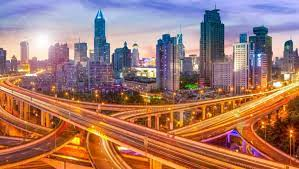
One of the primary challenges of urbanization is the strain it places on infrastructure. Rapid population growth in cities often outpaces the development of essential services such as transportation, water supply, and waste management. Overburdened infrastructure can lead to traffic congestion, inadequate sanitation, and frequent service disruptions. As cities expand, ensuring that infrastructure keeps up with demand becomes a critical concern.
- Environmental Impact
Urbanization has a substantial impact on the environment. The expansion of urban areas often leads to the destruction of natural habitats and increased pollution. Air quality can deteriorate due to emissions from vehicles and industrial activities, while water bodies can become polluted from runoff and waste. Additionally, the heat island effect, where urban areas become significantly warmer than their rural surroundings, exacerbates energy consumption and impacts local climates.
- Social Inequality
As cities grow, social inequality can become more pronounced. Urban areas can exhibit stark contrasts between affluent neighborhoods and underprivileged communities. The disparity in access to resources such as quality education, healthcare, and housing can deepen existing inequalities. Additionally, the influx of people into cities can strain social services, making it challenging to address the needs of all residents equitably.
- Housing Affordability
The demand for housing in rapidly growing cities often drives up property prices and rents, making housing affordability a major issue. As urban populations increase, low-income individuals and families may struggle to find affordable housing options. This can lead to overcrowded living conditions, informal settlements, and increased homelessness. Addressing the housing crisis requires effective planning and policies to ensure that all residents have access to safe and affordable housing.
- Transportation and Mobility
With more people living in urban areas, transportation systems face significant challenges. Traffic congestion can lead to longer commute times and decreased quality of life. Public transportation systems may become overcrowded and less efficient, impacting their ability to provide reliable service. Developing sustainable and efficient transportation solutions is essential for managing urban mobility and reducing congestion.
Opportunities of Urbanization
- Economic Growth
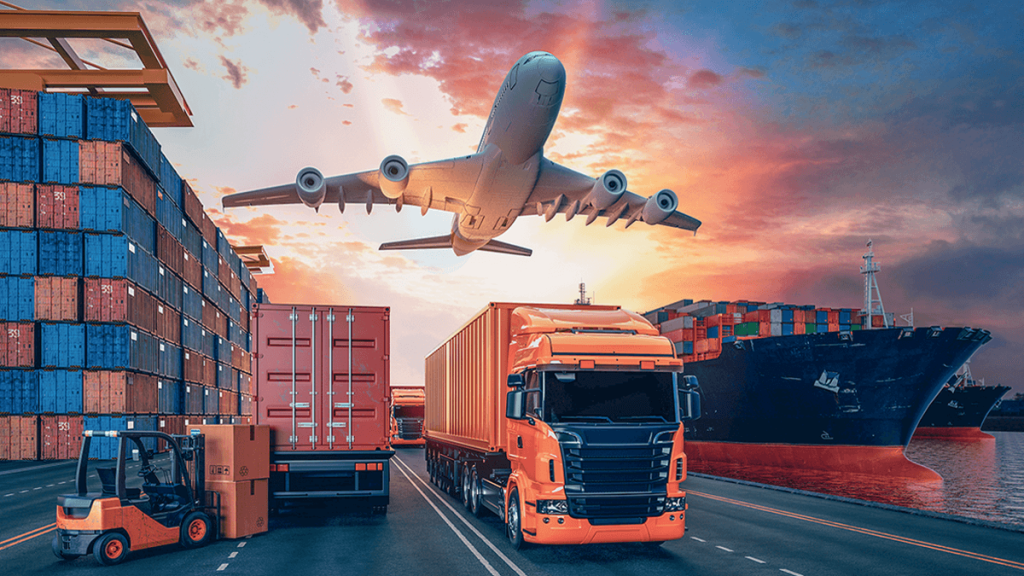
Urbanization often drives economic growth by concentrating resources, talent, and innovation. Cities provide opportunities for businesses to thrive, creating jobs and fostering economic development. The concentration of industries and services can lead to increased productivity and economic diversification. Urban areas can become hubs of innovation, attracting investments and driving technological advancements.
- Cultural Exchange and Diversity
Cities are melting pots of cultures, bringing together people from diverse backgrounds. This cultural exchange fosters creativity, tolerance, and a richer social fabric. Urban areas offer opportunities for individuals to engage with different cultures, cuisines, and traditions, enhancing their understanding and appreciation of diversity. Cultural events, festivals, and artistic expressions thrive in urban settings, contributing to a vibrant cultural landscape.
- Improved Access to Services
Urbanization often leads to improved access to services and amenities. Cities typically offer a wide range of healthcare, education, and recreational facilities that may be less accessible in rural areas. The concentration of services allows for better infrastructure, more specialized medical care, and educational institutions. Access to these services can improve overall quality of life and provide residents with more opportunities for personal and professional growth.
- Sustainable Development
Urbanization presents an opportunity for implementing sustainable development practices. By designing and planning cities with sustainability in mind, urban areas can reduce their environmental footprint. Green building practices, energy-efficient transportation systems, and sustainable waste management solutions can contribute to more environmentally friendly urban environments. Urbanization can drive innovation in sustainability and set examples for other regions to follow.
- Enhanced Social Connectivity
Urban areas facilitate greater social connectivity and community engagement. The density of population in cities fosters interaction among individuals and communities. Social networks, support systems, and community organizations can flourish in urban settings, providing residents with opportunities for social involvement and civic participation. Urban environments can foster a sense of community and collective identity.
Conclusion
Urbanization presents a complex array of challenges and opportunities. While it strains infrastructure, impacts the environment, and exacerbates social inequality, it also drives economic growth, fosters cultural diversity, and improves access to services. Addressing the challenges of urbanization requires thoughtful planning and innovative solutions, while leveraging the opportunities can lead to more vibrant, resilient, and sustainable cities. As urban areas continue to grow, balancing these factors will be crucial for creating thriving and equitable urban environments that benefit all residents.